Getting Started
Join #solder on Slack!
If you’re not already on the Hack Club Slack, get in here: https://hackclub.com/slack/ - join thousands of other technical teens, ask for help, and learn about the latest Solder updates!
When you finish your project, you’ll also need to post it in the #solder-ships channel. Join it and check out what others are making!
What’s a PCB?
PCB stands for printed circuit board!
It’s a board that links all the electronics together via copper wires that run through it. Think of it as a breadboard - but the wires are built into it and all you need to do is solder your components on.
See also: SparkFun’s article explaining PCBs!
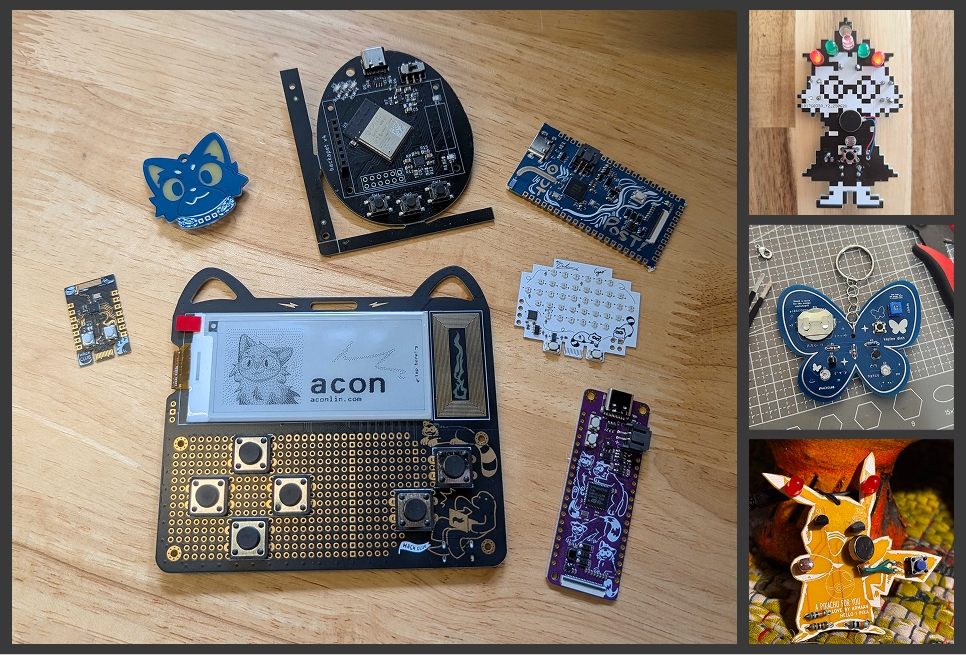
Here are some PCBs made by hack clubbers:
KiCad Quick Start
Complete beginner? No worries!
This tutorial aims to teach you how to design a PCB from scratch.
To design PCBs, we use KiCad! It’s free and open source. Download it here: https://www.kicad.org/download/
If you’re not able to download anything, EasyEDA is a web-based alternative.
After downloading KiCad:
Open up the app, and you will be presented with a small popup; click apply. And now you are presented with the main menu.
You first need to create a new project: Go to File > New Project and create it. It should look like this:
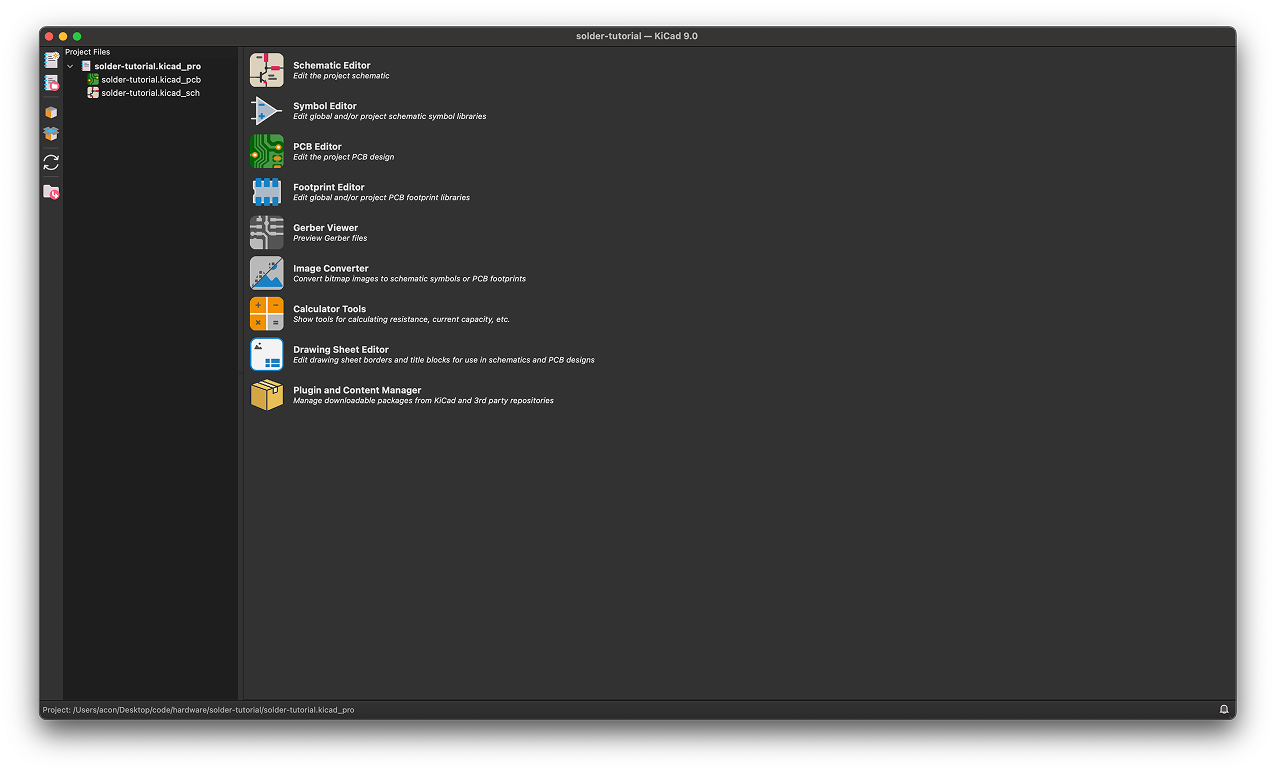
If it looks like that, congrats - you’ve just started your first PCB project!
Kit Contents
Here are the parts you get!
- 1x 555 Timer
- 6x 5mm LED (various colors)
- 24x resistors (8x 470Ω, 6x 4.7kΩ, 4x 47kΩ, 2x 10MΩ)
- 15x 2N3904 transistor
- 15x 2N3906 transistor
- 1x mini motor disc
- 1x photoresistor
- 2x 10uF capacitor
- 10x 6mm push button
- 2x potentiometer
- 1x breadboard
- 15x jumper wires
- 2x CR2032 battery cell holders
Note you’ll need to get your own coin cell batteries (those are harder to ship), but the CR2032 is pretty common!
The kits are shipped out in waves, so it can take anywhere from 1-4 weeks for them to be shipped out, depending on when you filled the form. We will try to do it as soon as we can though!
PCB Design Requirements
This program doesn’t use any form of time tracking to approve projects. However, projects do need to meet a minimum quality criteria in order to pass!
- the PCB needs to be original
- the PCB needs to fit within 100x100mm
- use the components given in the kit
The PCB is expected to have a custom outline / cool silkscreen, unless it is intentionally rectangular to fit a more technical circuit (ie: something with lots of logic gates). That means your PCB should:
- have a custom outline
- have rounded corners
- include silkscreen art (and/or text) on both sides
- be intentional with part placement
Here are examples of PCBs that would be approved:

And here are examples of PCBs that would be rejected / require changes before resubmitting:
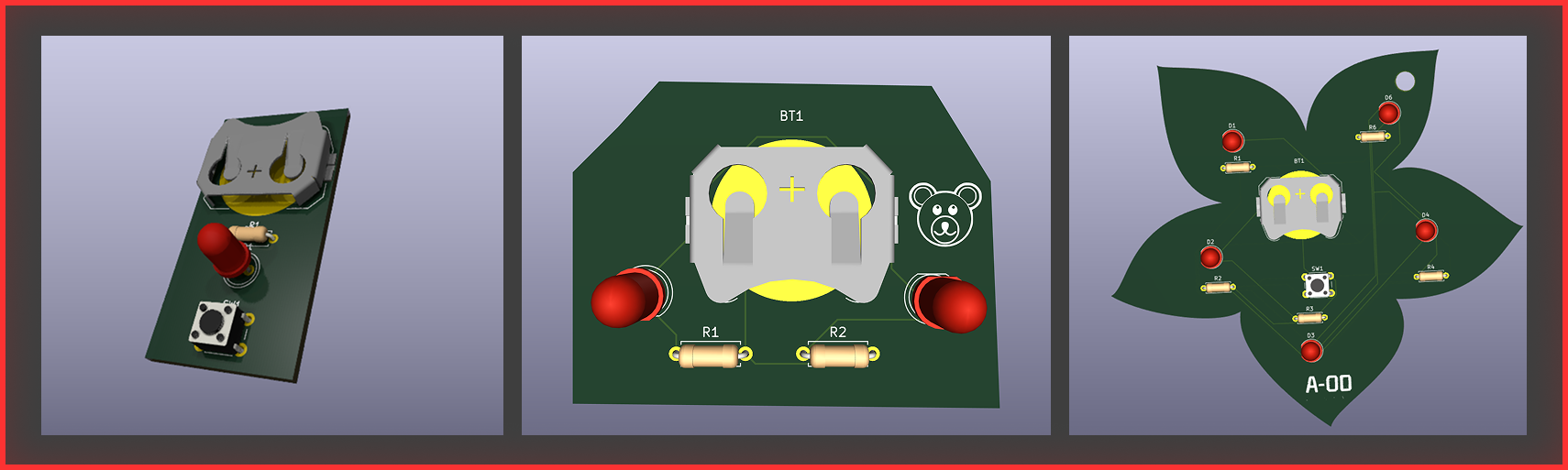
Please be creative! Make something you’d actually want to look at / put on display / use as a keychain or badge.